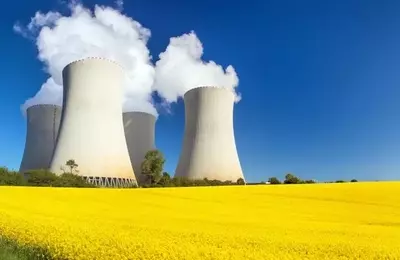
Geopolitical shifts and supply chain intricacies continue to shape commodity markets. A recent surge in crude oil prices underscores the sensitivity of energy markets to diplomatic impasses, particularly the ongoing nuclear negotiations between the United States and Iran, which have once again reached an uncertain juncture. This persistent instability injects volatility into global oil supplies and pricing, keeping market participants on edge.
Concurrently, the European natural gas sector presents a mixed picture. While storage facilities have surpassed the 40% capacity mark, a significant improvement, they still lag behind the five-year average of 54%. This deficit highlights a continuing vulnerability in energy reserves, potentially prompting further strategic interventions by European governments to secure winter supplies. In the metals market, copper prices have seen an increase, driven by anticipation of impending decisions from the US administration regarding potential import tariffs, which could reshuffle trade dynamics and metal demand.
Further complicating the global commodity landscape, agricultural exports are experiencing regional challenges. Uganda, a key player in the coffee market, reported a 14% year-on-year drop in its April coffee shipments, totaling 591,700 bags. This decline could impact global coffee supplies and prices, reflecting localized production issues or shifts in trade patterns. Together, these developments illustrate a complex and interconnected global economy where political discourse, energy security, trade policies, and agricultural yields collectively dictate market movements.
Understanding these multifaceted interactions is crucial for navigating the inherent volatilities of global commodity markets. Proactive monitoring of geopolitical developments, energy policies, trade negotiations, and agricultural reports can empower stakeholders to make informed decisions. Amidst these complexities, fostering resilient supply chains and diversified energy sources emerges not just as a strategic advantage, but as an imperative for stability and sustainable growth.