The US aluminum market is navigating complex challenges, primarily influenced by ongoing trade policies and persistent domestic production constraints. Despite historical tariff protections, the nation's primary aluminum output has consistently fallen short of demand, largely due to factors beyond trade regulation. Recent amendments to Section 232 tariffs aim to stimulate domestic investment in smelting, but their immediate impact on supply remains limited, underscoring deeper structural issues within the industry.
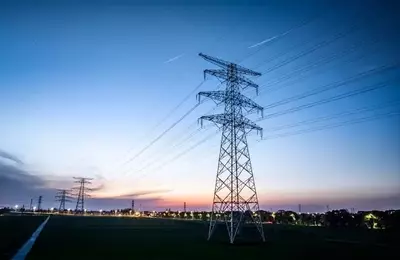
A critical barrier to robust domestic aluminum production is the availability of affordable and dependable electricity. This overshadows the influence of tariffs in fostering a competitive smelting sector. While the modified tariffs seek to encourage new capacity, projections indicate that any substantial increase in production, such as from projects like EGA-Century Aluminum Oklahoma, will not materialize for several years. This extended timeline suggests that the US will continue to rely heavily on imports, maintaining elevated Midwest premiums due to sustained demand, existing tariff structures, and heightened global competition for alternative aluminum sources, exacerbated by recent geopolitical instability in the Middle East.
Addressing the underlying energy cost challenges and fostering a resilient domestic supply chain are crucial for the long-term health and stability of the US aluminum market. Policy efforts should extend beyond tariffs to include strategic investments in energy infrastructure and innovative production technologies. By taking a comprehensive approach, the industry can move towards greater self-sufficiency and reduce its vulnerability to global market fluctuations.